
What is Scrapbooking?
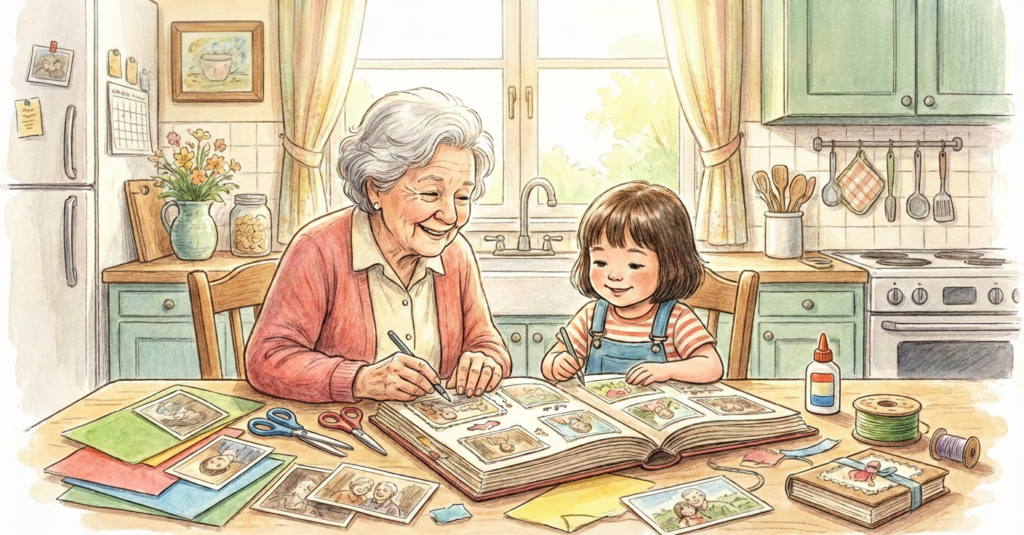
Scrapbooking is a creative craft that involves the compilation of various elements such as photographs, memorabilia, and decorative components into personalized albums or pages. This art form serves as a unique avenue for individuals, particularly seniors, to preserve cherished memories and express their personal stories. Scrapbooking goes beyond mere picture framing; it allows enthusiasts to narrate their life experiences through arranged visuals and written accounts, fostering a deeper emotional connection with the memories captured.
The essence of scrapbooking lies in its ability to transform simple pieces of paper and photographs into a detailed narrative. Each crafted page can reflect specific events, milestones, or emotional moments that are significant to the individual. The process encourages creativity, as seniors can select themes, colors, and layouts that resonate with their experiences and personalities.
Common Tools & Materials
Common tools and materials used in scrapbooking include various types of paper, adhesives, and embellishments like stickers, washi tape, and stamps. These supplies enable scrapbookers to add texture, color, and style to their pages. Additionally, many crafters utilize cutting tools, pens, and photography software to customize and enhance their projects. For seniors embarking on this creative journey, establishing a comfortable workspace and gathering essential materials can serve as a springboard for their scrapbooking endeavors.
As scrapbooking continues to evolve, it remains a beloved pastime for seniors, fostering creativity and facilitating the preservation of family histories and personal narratives. This craft not only enhances artistic skills but also provides a therapeutic outlet that can significantly improve overall well-being and emotional health.
The History and Evolution of Scrapbooking
The origins of scrapbooking can be traced back to the 15th century, a time when individuals began to collect letters, photographs, and other memorabilia, documenting their lives and experiences in bound albums. This early form of scrapbooking, known as “commonplace books,” was primarily used by intellectuals of the time to catalog quotes, thoughts, and significant personal reflections. This practice set the stage for what would develop into the more organized hobby of scrapbook creation.
As centuries progressed, scrapbooking evolved alongside cultural shifts and advancements in technology. In the 19th century, with the introduction of photography, individuals began to incorporate images into their albums, marking a notable shift from mere text to a blend of visuals and words. The advent of mass production in the late 1800s saw the rise of decorative papers, stickers, and other embellishments that made scrapbooking more accessible and appealing to the general public.
Modern Scrapbooking
The modern scrapbooking movement gained significant traction in the late 20th century, fueled by a growing interest in preserving personal histories. This era witnessed the establishment of dedicated scrapbooking stores and an increase in creative resources, enabling enthusiasts to explore their artistic talents. Key figures in the community, such as Stacy Julian and companies like Creative Memories, promoted the practice through workshops and products designed specifically for scrapbookers. Today, scrapbooking for seniors is not only a hobby but also a powerful means of self-expression and memory preservation, continuing to evolve as new tools and digital formats emerge.
The journey of scrapbooking has undergone vast transformations over the centuries, shaping it into a cherished form of art that allows individuals, particularly seniors, to commemorate their life stories creatively. Its rich history underscores the enduring desire to capture and share personal narratives through imaginative expression.
The Cost and Process of Scrapbooking
Scrapbooking for seniors can be a fulfilling and enjoyable activity, but understanding the financial aspect is essential for newcomers to this craft. The costs associated with scrapbooking can vary significantly depending on the materials and tools chosen. Basic items such as patterned paper, scissors, adhesives, and embellishments are typically affordable, while advanced tools like cutting machines or specialty papers may be more expensive. Seniors can expect to spend anywhere from a modest budget to a more substantial outlay based on the complexity and scale of their projects.
The process of scrapbooking involves several key steps, which can be tailored to individual preferences and skills. First, gathering materials is crucial: seniors can collect photographs, memorabilia, decorative items, and themed supplies. This phase not only provides inspiration but also allows for the selection of a cohesive color scheme and design concept. Once the materials are ready, the next step is to think creatively about layouts. Seniors can use existing templates or create their own unique designs, which can emphasize personal stories or significant life events.
Add a Personal Touch to Your Scrapbooks
Stickers are a simple, fuss-free way to highlight your favorite memories and add a splash of color to every page.
Browse Scrapbooking StickersDisclosure: This link leads to my Zazzle store. I may earn a small commission at no extra cost to you.
After planning the layout, seniors can start adhering materials onto the pages. This is where the beauty of scrapbooking shines through; it offers the freedom to explore creative expression. For those on a budget, consider using recycled materials or simple tools, such as pens and stickers, readily available at local craft stores. Additionally, online marketplaces and community groups often share resources to keep costs low. By employing these strategies, seniors can enjoy scrapbooking as an affordable and rewarding hobby that allows for creativity and personal storytelling.
Cognitive Stimulation
Engaging in scrapbooking for seniors provides numerous benefits that extend beyond creative expression. One of the most significant advantages is cognitive stimulation. The process of selecting pictures, arranging them, and choosing accompanying words requires mental engagement that can help seniors enhance their memory and cognitive functions. This activity not only aids in recalling cherished memories but also fosters critical thinking and organizational skills. As such, scrapbooking becomes a valuable pastime that nurtures mental agility, which is crucial for seniors as they age.
In addition to cognitive benefits, scrapbooking supports emotional well-being. This creative practice allows seniors to relive joyful moments, reflecting on their life experiences through visual storytelling. Crafting a personalized scrapbook can serve as an emotional outlet, reducing feelings of loneliness or isolation often faced by older adults. The joy of creating something beautiful enhances mood and provides a sense of accomplishment and purpose.
The Social Aspect
Equally important is the social aspect of scrapbooking, particularly when shared with family members, such as grandchildren. This intergenerational link fosters familial bonds and creates opportunities for shared experiences, allowing for valuable time spent together. Grandchildren can learn about their family’s history through the stories and collections documented in scrapbooks, leading to the creation of lasting memories. This shared activity not only enriches relationships but also encourages dialogue and interaction across generations, making scrapbooking an enjoyable and fulfilling hobby for both seniors and younger individuals alike.
Final Thoughts
Ultimately, scrapbooking serves as a fulfilling indoor hobby for seniors, providing a meaningful and therapeutic outlet. Its ability to promote creativity, enhance emotional health, and strengthen family connections makes it an ideal pursuit for individuals of all ages.