

Glacier National Park: Pull Up a Chair
Alright, scoot in close and grab a marshmallow stick. Tonight we’re talking about Glacier National Park, tucked into the Rocky Mountains of Montana. It’s the kind of place that makes you stop mid-sentence and say “wow” like a broken record. Jagged mountains, alpine meadows, turquoise lakes, and wildlife that has zero interest in your schedule. It’s great for all ages, and it’s a lot more accessible than people think.
Brief History
Let’s start with a little history, and I promise to keep it painless. Glacier became a national park in 1910 and covers over a million acres. That’s a whole lot of trees, mountains, and “are we there yet?” from the back seat. Long before anybody built a visitor center, this land was sacred to the Blackfeet, Salish, and Kootenai peoples. Conservationists pushed hard to protect it, and in 1995 it was named a UNESCO World Heritage site. The park is named for its glaciers, and sadly they’ve been shrinking for a long time, so if seeing one is on your bucket list, don’t put it off.
Now, you won’t be totally roughing it. There are visitor centers with maps, exhibits, and friendly folks who’ve heard every question twice already, so ask anyway. There are historic lodges and modern hotels, both inside the park and just outside it. You’ll find gift shops with postcards, handcrafted goodies, and at least one t-shirt your grandkids will pretend to like. Restrooms are spread throughout the park, which at our age might be the most important amenity of all. And there are picnic spots with views that beat any restaurant I’ve ever eaten in.
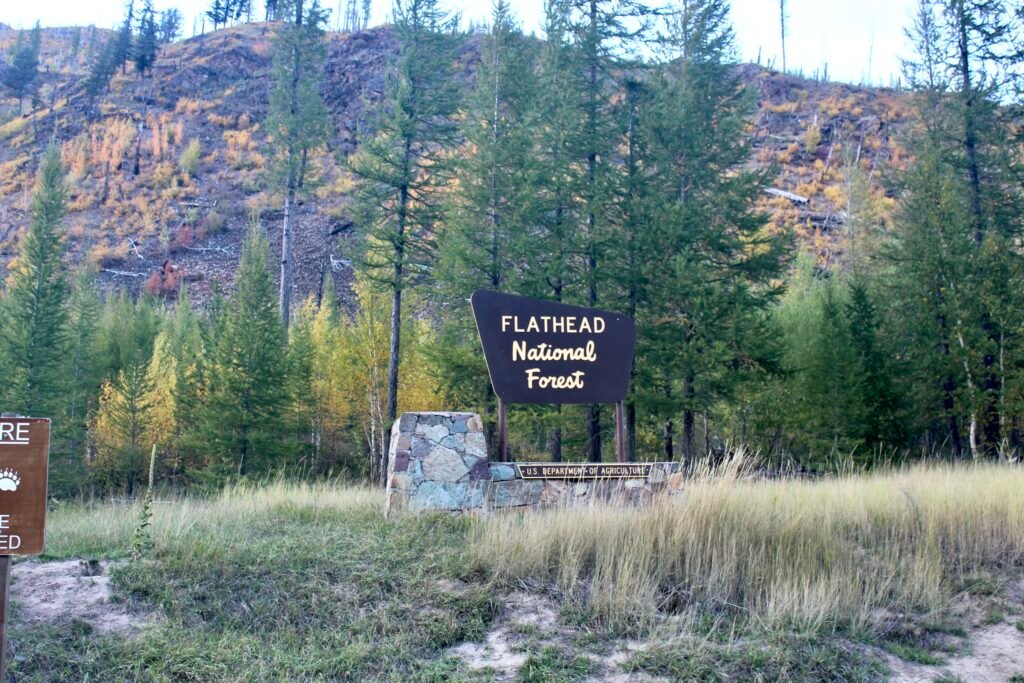
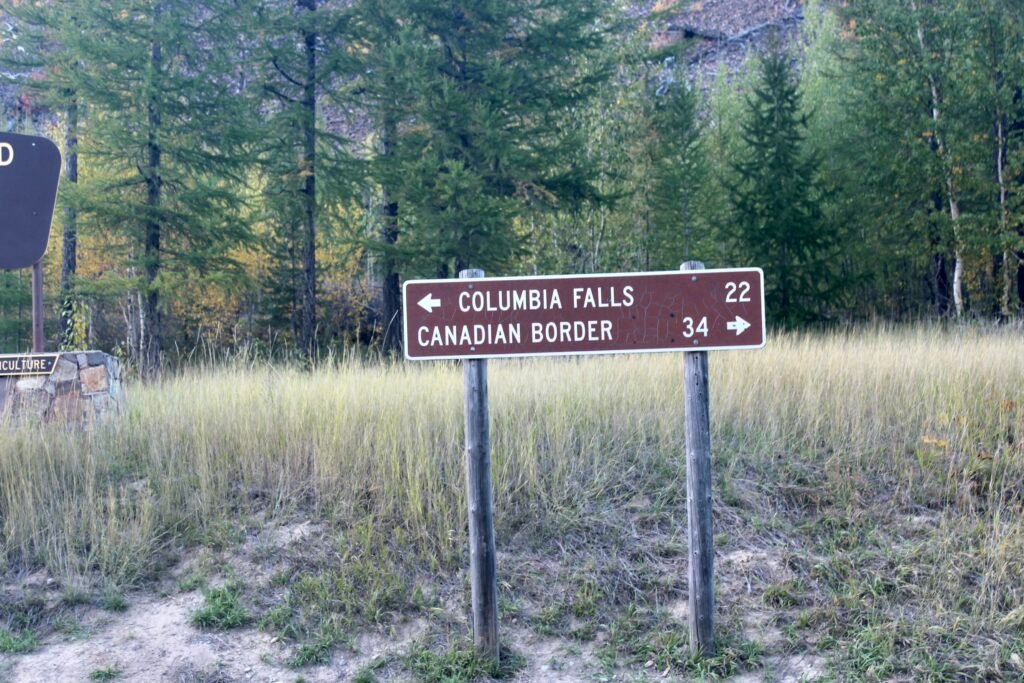
Ranger Tours
The rangers keep things interesting too. They lead walks and talks on the park’s geology, wildlife, and history. It’s like school, except you actually want to be there. There are wildlife-watching opportunities for bears, elk, and mountain goats, and I’ll say it again: watch from a safe distance, folks. That bear is not impressed by your camera. They also run educational programs for every age. Make sure to contact the park for tour availability and time. I put the contact information at the end of this article.
Free Entry for Seniors (With a Pass)
Let’s talk money, because we all want to know. Entrance fees apply, with discounts for seniors and annual passes available. I have the senior lifetime pass, and it was a one-time $80 fee. It’s good for up to 4 people and for most national parks. Best $80 I ever spent, and if you’re old enough to qualify, go get one. Seriously, stop reading and go get it. Then come back. Camping fees vary depending on the campground, and some guided tours and special programs cost extra.
The park really does try to make this place work for everybody. Several trails are wheelchair accessible, so you get the big views without the big sweat. Accessible shuttles run along the major routes, including the Going-to-the-Sun Road, and plenty of lodges and campgrounds have accessible rooms and facilities.
Camping
Let’s talk camping. You can choose anything from primitive sites to campgrounds with more modern comforts, and a lot of them have accessible sites too. You can reserve online or by phone, and book early. The good spots go fast, and nobody wants to be the person circling the campground at dusk with a sad look on their face. As for food, several of the lodges have restaurants, so you can eat something other than trail mix. There are cafes and snack bars at visitor centers and popular trailheads, and there’s always the classic option of packing your own lunch and eating at a picnic table with a mountain view. Free scenery, and nobody’s judging your sandwich.
Junior Ranger Program
If you’ve got grandkids, bring them. The Junior Ranger program gives kids activities to complete and a badge to earn, and your grandkids will take it more seriously than any job they’ll ever have. There are easy trails for little legs, and the wildlife spotting is a huge hit. Fair warning: you’ll hear “LOOK! LOOK!” roughly four hundred times. Again, contact the park ahead of time for availability and times. Contact info at the end of the article.
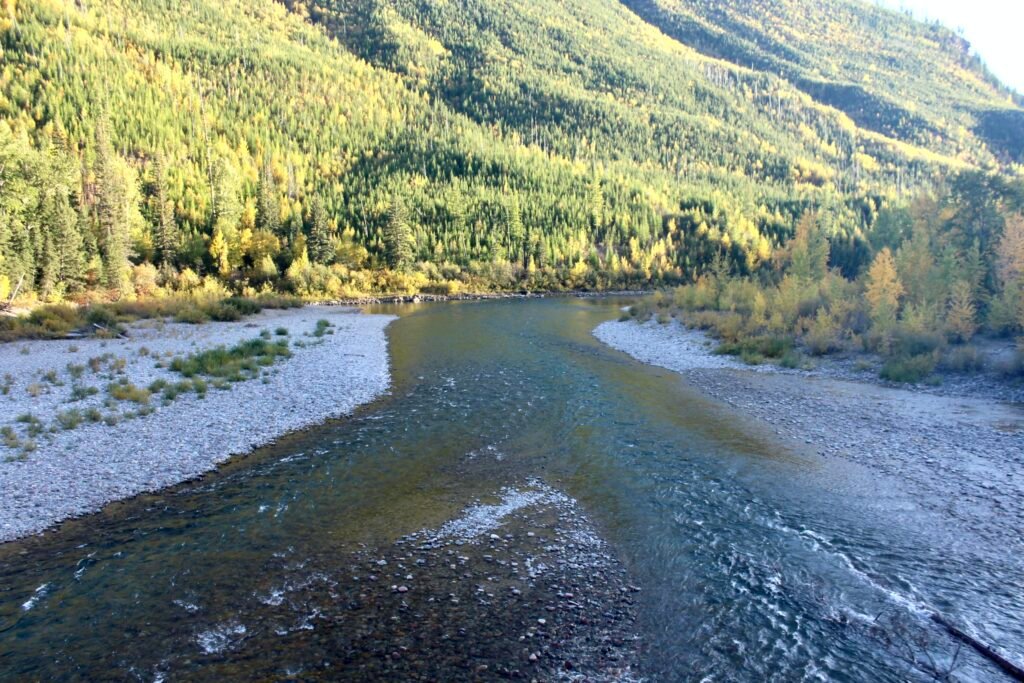
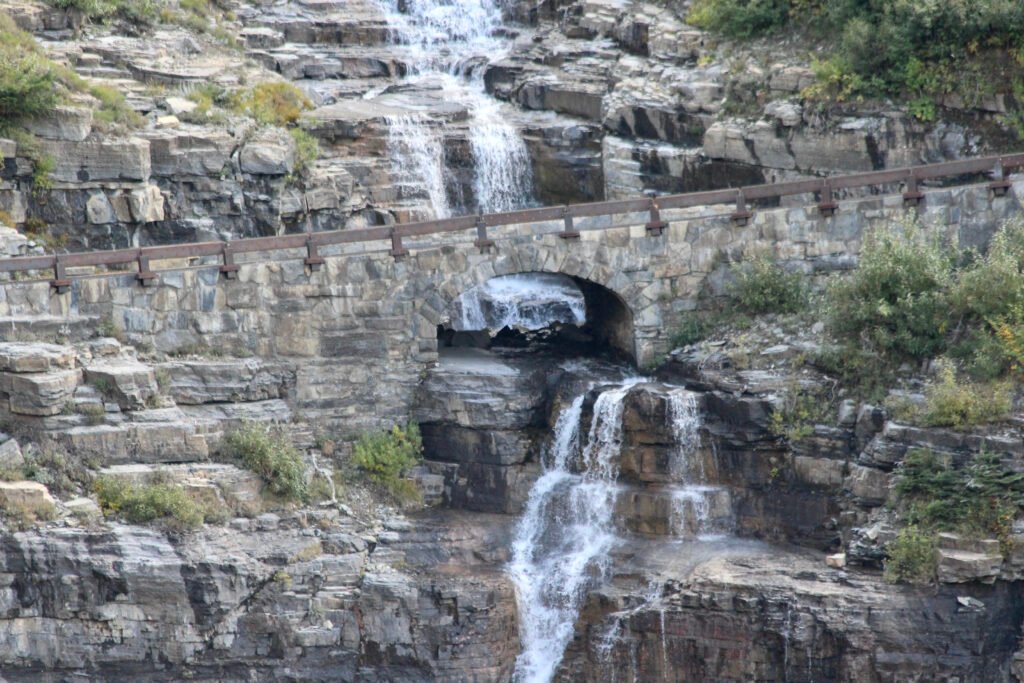
Going to the Sun Road
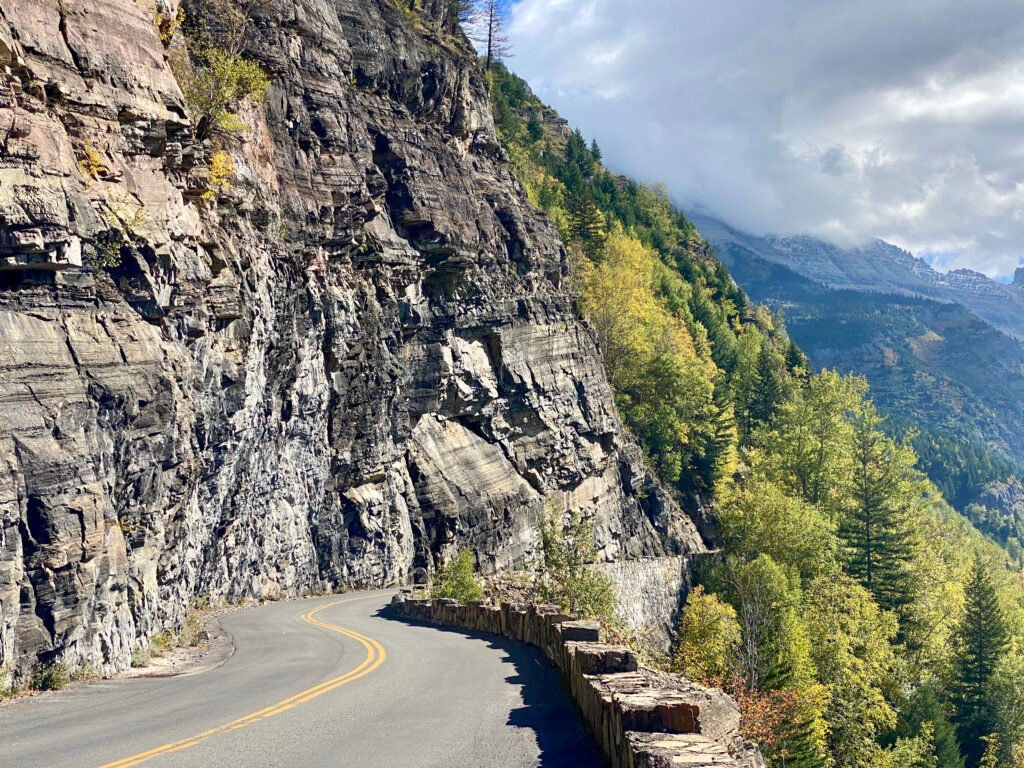
Now for the main event, the Going-to-the-Sun Road. This was definitely my favorite!!! It’s about 50 miles of “pull over, I need a picture,” and you’ll say that a lot. It was finished in 1932 and dedicated in 1933, and it’s a marvel of engineering with plenty of viewpoints and pullouts. Somebody built this with 1930s equipment, and I can’t even assemble a bookshelf. Shuttles and accessible viewpoints mean everybody gets to enjoy it. The road crosses the Continental Divide at Logan Pass, which is the best place to spot mountain goats and bighorn sheep. They look like they own the place, because they do.
A few things I’d have loved to know before I went. The high part of the road is only open in summer, usually late June or early July until fall, depending on snow, so check the park’s road status before you go. Vehicles over 21 feet long can’t make the full drive, and rangers do measure, so the big rig may have to stay behind. Parking at Logan Pass fills up early, so get an early start or take the shuttle. And rules on reservations change from year to year, so check the National Park Service website before you hit the road.
If you have time for more, Lake McDonald is a lazy-afternoon kind of place, calm and clear and full of colorful stones. The Trail of the Cedars is an easy, accessible walk through giant old trees, perfect if you want big-forest feelings without big-hike effort. Many Glacier is gorgeous and great for wildlife spotting. And the vintage red tour buses are a fun way to see the road without driving it yourself.
Free Campfire Wisdom
Before the fire dies down, here’s my free campfire wisdom. Plan ahead and reserve your lodging and camping early. Carry water, because the high elevation dries you out faster than you’d think. Dress in layers, since the weather changes on a whim and you can go from sunshine to jacket in fifteen minutes. Give the wildlife plenty of space and follow park guidelines, and carry bear spray and know how to use it, because it’s not a decoration. Ride the shuttles and let somebody else deal with parking, it can get really busy/crowded. Use the accessible trails and facilities, because great views shouldn’t require suffering. And look at the park map before you leave and find the restrooms. Trust me on this one.
Final Thoughts
So that’s Glacier. It’s a treasure chest of natural beauty and adventure, and it welcomes seniors with open arms. Whether you’re driving the Going-to-the-Sun Road, camping under the stars, or showing the grandkids their first mountain goat, you’ll head home with great memories and a camera roll that needs serious cleaning. Get off the couch, because the mountains aren’t getting any shorter, and we’re not getting any younger.
***I try to be as accurate as I possibly can with the details of any post I write. Keep in mind that things change due to storms, pricing, and maintenance issues. I always recommend before heading out on any trip checking the official website for updated announcements, closures, and fees. I have included a link to their website below for your convenience.***
Glacier National Park
West Glacier, MT 59936
Phone # 406-888-7800
Glacier National Park Website/Basic Info
Glacier National Park Entry Info
Hours of Operation
Open 365 days A Year 24 Hours A Day
Entry Fees
$20-$35: Standard Entrance
Note: Non-US residents (16 and over) must pay an additional $100 per person fee unless admitted with an Annual or America the Beautiful Pass.
Enjoyed this article? Use the buttons above to explore more destinations, road trips, parks, and roadside attractions for active adults. If you found it helpful, share it with someone who believes the journey is just as much fun as the destination. Want more travel destinations, active senior lifestyle information, and the occasional bad joke? Subscribe below and I’ll send you one friendly update the last Friday of the month. No spam, just helpful content and a little encouragement for the road ahead.