Frisbee Golf: The Sport That Proves You’re Never Too Old to Throw Things
Fresh air, friendly competition, and flying discs, welcome to disc golf, the game your joints will actually thank you for.
“The best time to start playing disc golf was 20 years ago. The second best time is right now, preferably after stretching.”
A Brief History of Frisbee Golf
Believe it or not, people were flinging disc-shaped objects at targets long before anyone called it a sport. The modern game of disc golf (officially) traces its roots to the 1960s and 70s, when creative folks started tossing Frisbees at trees, fire hydrants, and whatever else was standing still long enough to act as a “hole.”
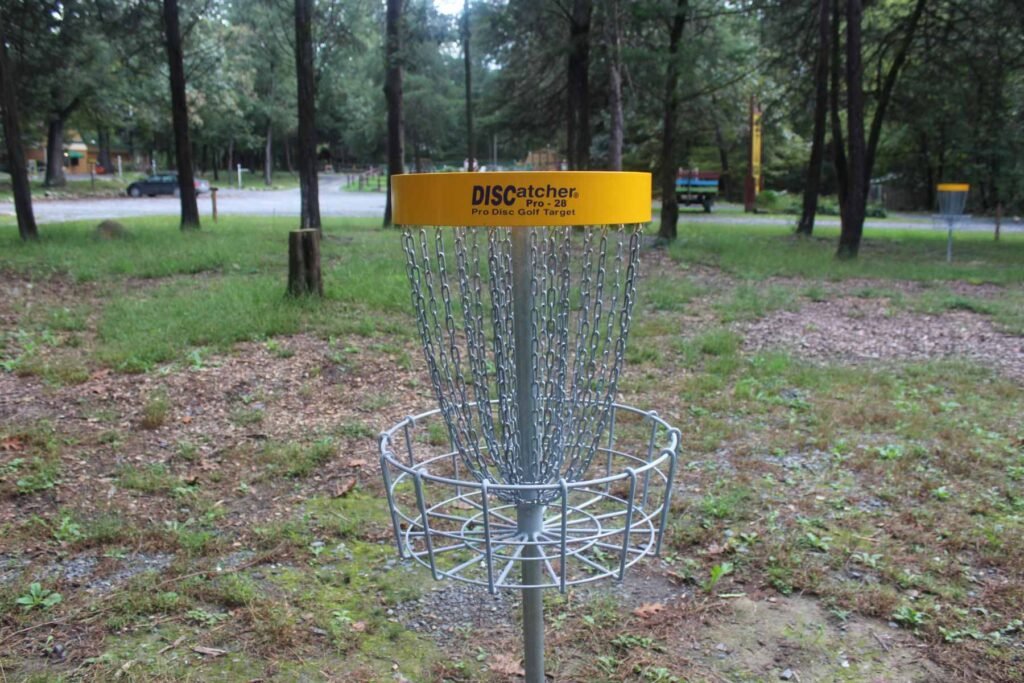
The real turning point came in 1975, when the first permanent disc golf course was installed at Oak Grove Park in Pasadena, California, complete with actual metal basket targets called “pole holes.” Ed Headrick, the inventor of the modern Frisbee, went on to design the first standardized disc golf basket in 1976, and the Professional Disc Golf Association (PDGA) was founded in 1976 to make it all official.
Fast forward to today: disc golf has exploded into a worldwide phenomenon with over 15,000 courses across the globe, a booming pro circuit, and, most importantly, an incredibly welcoming community of players of all ages. Yes, ALL ages. Including yours.
“Disc golf grew out of the same free-spirited era that gave us bell-bottoms and avocado-green appliances. It kept the fun and ditched the questionable fashion choices.”
What Do You Need to Get Started?
Here’s the beautiful thing about disc golf: you don’t need much. No greens fees (usually), no golf cart, no caddie, no embarrassingly loud plaid pants. Here’s the basic gear rundown:
- Discs (the most important thing!): Unlike regular Frisbees, disc golf discs come in three main types, drivers (for distance), mid-range discs (for approach shots), and putters (for close-range accuracy). Beginners should start with just a putter and a mid-range. Seriously. You don’t need 30 discs on day one.
- Comfortable walking shoes: Disc golf courses are walked, often over varied terrain. Good, supportive footwear is your best friend (right after your actual friends who dragged you out here).
- A bag or simple clip: Once you have a few discs, a small bag or even a clip to attach discs to your belt works great. Full disc golf bags are available but optional for beginners.
- Water and sun protection: Sunscreen, a hat, and a water bottle. Because fun in the sun is only fun when you’re not a lobster by hole 9.
- Optional, a disc golf app: Free apps like UDisc let you track scores, find nearby courses, and feel very official about the whole thing.
How Much Does It Cost?
This is where disc golf truly shines as a senior-friendly sport. It is one of the most affordable outdoor activities you can take up.
$8–$15– Per disc (beginner quality)
$0– Green fees at most public courses
$25–$50– Starter set of 3 discs
$20–$30– Entry-level disc bag
For well under $100, you can be fully equipped and playing. And since most courses are free to use, your ongoing costs are essentially just the occasional replacement disc (because yes, you will eventually throw one into a lake, it’s a rite of passage.)
Premium discs and bags can run higher, but there’s absolutely no need to splurge as a beginner. Save that money for the post-round celebratory lunch.
Where Can You Play?
The short answer: probably closer than you think! Disc golf courses are found in:
- ✓Public parks: Many city and county parks across the U.S. have free disc golf courses built right in. Check your local parks and recreation department.
- ✓National and state forests: Gorgeous wooded courses abound, great for nature lovers who want their sport with a side of scenery.
- ✓Private disc golf courses: Some facilities charge a small fee but offer more polished, maintained layouts.
- ✓College campuses: Many universities have courses open to the public.
- ✓Anywhere with a target: Plenty of players set up casual “backyard” or portable basket setups at home for practice.
Use the free UDisc app or visit dgcoursereview.com to find rated courses near you, including difficulty ratings, very handy for finding those friendlier, flatter layouts perfect for newcomers.
How Do You Play?
The rules will feel immediately familiar if you’ve ever played traditional golf. The goal is simple: get your disc from the tee pad (starting area) into the metal basket target in as few throws as possible.
Each course has 9 or 18 holes. Each hole has a designated par, the expected number of throws. You tee off, track where your disc lands, throw again from that spot, and keep going until you hear that satisfying clang of chains as your disc drops into the basket. Lowest total score wins.
The main throws to learn are:
- →Backhand: The classic Frisbee throw. Great for beginners, familiar motion, easy to control.
- →Forehand (sidearm): A flick-style throw used for distance or when the backhand angle is tricky. Takes more practice but very useful.
- →Upshot/approach: Shorter, controlled throws aimed at getting close to the basket before your putt.
- →Putt: The close-range toss into the basket. The moment of truth. The glory. (Or the “I’ll get it next time.”)
Pro tip: A relaxed grip and smooth follow-through will serve you far better than trying to muscle the disc. Finesse beats brute force in disc golf every single time.
Is Disc Golf Good for Seniors?
Oh, absolutely, and the list of benefits reads like a wish list for active aging:
- ♥Low-impact exercise: Walking a course covers 1.5 to 3+ miles of gentle movement. Excellent for cardiovascular health without punishing your knees.
- ♥Balance and flexibility: The throwing motion engages your core, improves rotational flexibility, and challenges your balance in a natural, enjoyable way.
- ♥Mental sharpness: Strategizing each hole, reading wind conditions, and adapting your game keeps the mind engaged and focused.
- ♥Social connection: Disc golf is famously friendly. The community is welcoming, and playing with a regular group is wonderful for mental and emotional wellbeing.
- ♥Vitamin D and fresh air: There is no bad day to be outside in nature. Science backs this up enthusiastically.
- ♥Self-paced: You set your own speed, distance, and challenge level. Nobody is rushing you. This is your round, your pace, your joy.
Many courses even offer senior-friendly layouts with shorter distances or flatter terrain. And if a basket seems too far away? Shorter tee pads (called “recreational” or “short” pads) are often available on the same course.
Tips to Make Playing More Enjoyable
- Start with beginner discs: Choose understable discs (they turn more easily and go farther with less power) designed for slower arm speeds. Innova, Discraft, and Dynamic Discs all make excellent beginner-friendly options.
- Play with others: Find a local disc golf club or connect with other seniors through community centers or Facebook groups. Playing with a group makes every round more fun, and someone will always know where your disc landed.
- Stretch before and after: A few minutes of shoulder rolls, hip stretches, and gentle torso twists go a long way toward keeping you comfortable and injury-free.
- Play shorter tees: There is no shame, and a great deal of wisdom, in using the shorter recreational tee pads. They make the game more fun and accessible, and many experienced players use them too.
- Focus on fun, not score: Especially starting out, treat every round as a nature walk with a fun competitive twist. The scores will improve; the enjoyment should always come first.
- Keep a disc in the car: Spontaneous disc golf is some of the best disc golf. If you pass a course and have time, just go.
- Watch beginner tutorials: YouTube has dozens of excellent “disc golf for seniors” and “beginner disc golf” tutorials. A little technique goes a very long way in this sport.
Final Thoughts
Disc golf is, without question, one of the most senior-friendly outdoor sports you can discover. It combines gentle, satisfying exercise with strategy, social connection, and the pure simple pleasure of being outside. It costs next to nothing to start, requires no special fitness level, and welcomes players of every age with open arms, and flying discs. Whether you’re looking for a new solo hobby, a reason to get off the couch, or a way to make new friends who share your love of the outdoors, disc golf delivers on every front. Lace up those walking shoes, grab a couple of discs, find your nearest course, and go throw something. Your body, your mind, and your spirit will all be better for it, and you might just find yourself hooked on a sport you’ll play for the rest of your very active, very adventurous life.