
Finding Your Style as a Beginner Photographer (Without Losing Your Mind, or Your Lens Cap)
Let’s get one thing straight right out of the gate: you do not need to know what “bokeh” means to have a photographic style. You just need a camera, a little curiosity, and the willingness to take about 400 bad photos before you get one good one. Welcome to the club. We meet informally, mostly outdoors, and the dues are paid in memory cards.
Photographic style is basically your fingerprint, except instead of getting smudged on a doorknob, it shows up in every picture you take. It’s shaped by your personality, your quirks, and probably a little bit by whatever you had for breakfast that morning. For those of us who picked up a camera later in life (looking in the mirror here), finding that style can feel like a lot of pressure. It isn’t. It’s actually the fun part.
Step One: Figure Out What Makes You Grab the Camera
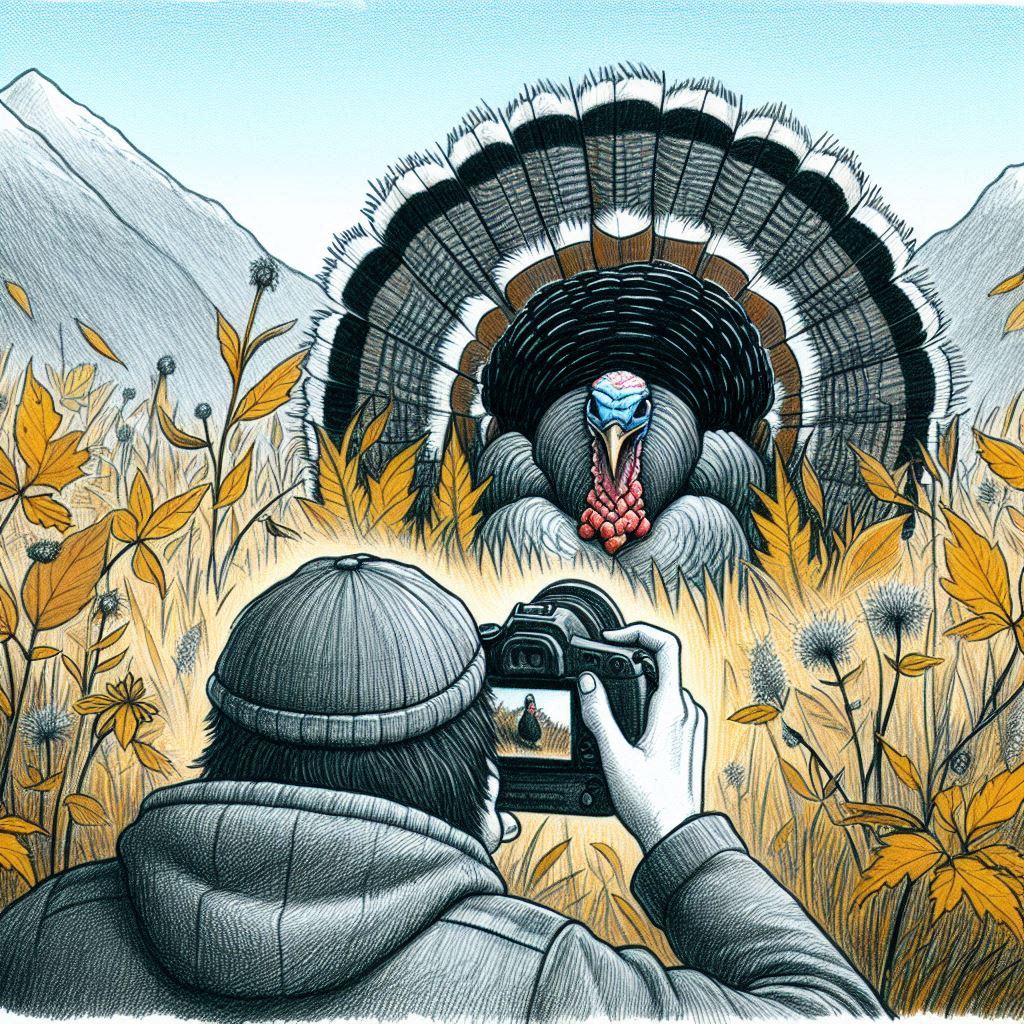
Before you worry about style, figure out what actually excites you. Do you love capturing your grandkids mid-belly-laugh, or are you more of a “stand very still and admire a mountain for twenty minutes” type? I’m firmly in the landscape-and-wildlife camp myself, nothing makes me happier than waiting patiently for a heron to do literally anything interesting.
Once you know what draws you in, everything else gets easier. Your style follows your passion, not the other way around.
Learn From the Legends (Then Steal Shamelessly, Politely)
Look at photographers whose work has stood the test of time, Ansel Adams and his moody landscapes, Dorothea Lange and her portraits that could make a statue tear up. Notice what makes their work theirs. Composition, subject choice, the way light falls across a face or a canyon.
Here’s a permission slip for you: it’s completely fine to imitate them while you’re learning. Nobody starts out original. Try their techniques, see what clicks, and eventually those borrowed pieces mash together into something that’s unmistakably yours. Think of it less like plagiarism and more like seasoning a recipe, you’re not stealing Grandma’s meatloaf, you’re just borrowing her instinct for a good pinch of thyme.
Get Out There and Mess Up on Purpose
Experimentation is the whole game. Try street photography, macro shots of your tomato plants, moody black-and-white portraits of the dog looking unimpressed with you. You won’t know what you love until you’ve tried a little bit of everything, including the stuff that turns out to be Not Your Thing.
And here’s the part nobody tells beginners enough: your mistakes are doing you a favor. Blurry photo because your hands were shaking? Great, now you know why a tripod exists. Way overexposed shot of your porch in July? Congratulations, you just learned what ISO actually does the hard way, which is the only way anything really sticks at our age.
Pay attention to the shots that make you grin when you look back at them. What were you shooting? What did you do differently? Those little sparks of satisfaction are basically breadcrumbs leading you toward your style. Follow them.
One more thing, don’t lock into a “signature style” too early just because it sounds official. Stay curious and a little scattered for a while. The variety is what sharpens your eye, and there’s plenty of time to settle down later. You’re not signing a mortgage here, you’re taking pictures.
Build the Technical Foundation (Yes, You Have To)
I know, I know, nobody picks up a camera dreaming about learning acronyms. But aperture, shutter speed, and ISO are the three amigos that control how your photo looks, and once you understand how they work together, you stop fighting your camera and start actually using it.
Composition basics worth knowing:
- Rule of thirds: imagine a tic-tac-toe grid over your shot and place your subject along those lines instead of dead center. Instantly more interesting.
- Leading lines: a fence, a trail, a shoreline, anything that pulls the eye toward your subject.
- Symmetry: sometimes centering the shot is exactly right. Rules exist so you know when to break them.
Light is your best (and most unpredictable) friend. Watch how it changes throughout the day, that soft gold light an hour before sunset is called “golden hour” for a reason, and it makes even your porch furniture look like it belongs in a magazine. Play around with flash, reflectors, or even just a white poster board to bounce light where you need it.
And when it comes to editing, programs like Adobe Lightroom or Photoshop let you fine-tune exposure, color, and contrast after the fact. Use a light hand. There’s a fine line between “polished” and “my grandson looks like a wax figure,” and you do not want to cross it.
None of this needs to be mastered overnight. Give yourself permission to be a student for a while. The technical stuff is just the toolbox, your style is what you build with it.
Sharpen Your Eye (No Cataract Jokes, I Promise… Okay, One)
A good eye for photography is trained, not born, good news for those of us whose eyes need reading glasses just to find the shutter button. Start paying attention to shapes, patterns, and light in ordinary moments. The parking lot puddle reflecting the sky. The weird symmetry of your neighbor’s hedge trimming. Interesting is everywhere once you start looking for it.
Change your angle. Crouch down. Shoot from above. Walk around your subject before you commit to a shot. A different vantage point can turn a boring photo into one people actually stop scrolling for.
And think about story. What is this picture trying to say? A single well-timed shot, a raised eyebrow, a hand reaching for something, light spilling through a window, can carry more narrative weight than a whole photo album of everyone smiling stiffly at the camera.
Review your own work honestly, and don’t be shy about showing it to other people and asking what they think. A second opinion catches things your eyes have gotten too used to seeing.
Build a Portfolio You’re Actually Proud Of
When it’s time to put together a portfolio, be picky. Ten great shots beat fifty mediocre ones every time. Think about the order, a portfolio that flows like a story is far more compelling than a random photo dump.
Show some range within your theme. If landscapes are your thing, mix in different seasons, lighting, and locations so people see the breadth of what you can do, not just one lucky sunset.
Keep it clean and simple to navigate, whether it’s a physical book on your coffee table or a gallery online. And don’t be precious about it, update it as your work improves. The version of you shooting a year from now is going to be embarrassed by some of what you’re proud of today, and that’s a good sign. It means you’re growing.
Final Thoughts
Here’s the truth nobody tells you enough: your “style” isn’t something you find sitting on a shelf waiting to be discovered. It’s something you build, one imperfect, slightly-blurry, occasionally-brilliant shot at a time. Give yourself grace, laugh at your mistakes (you’ll have plenty), and just keep shooting.
So dust off that camera, grab your favorite walking shoes, and get out there. The world is full of herons waiting to do something interesting, and someone’s got to be there with a camera when it finally happens.