
Where the Ocean, the River, and Your Camera All Want Different Things
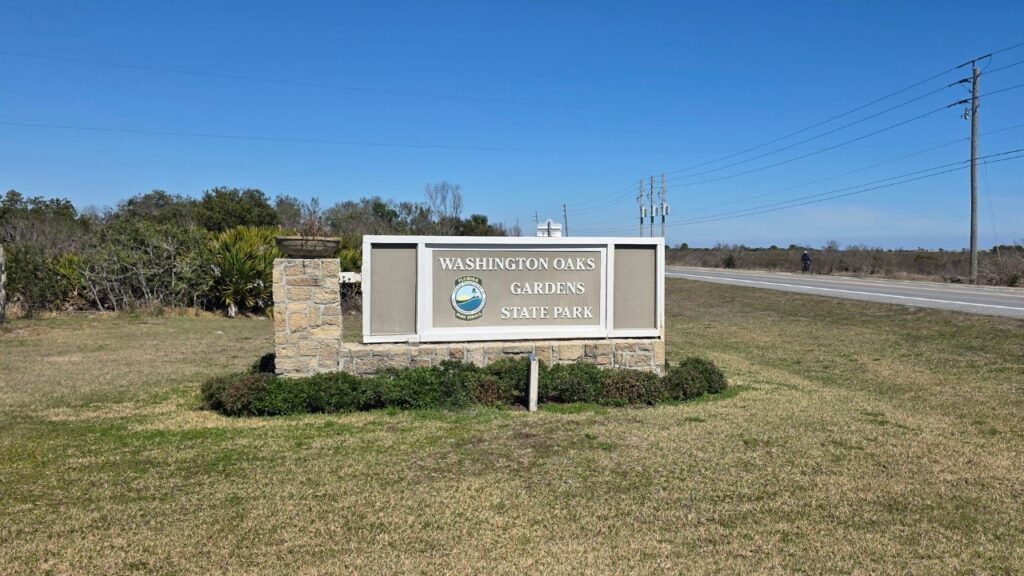
If you’ve ever wanted to stand in one spot and be within eyeshot of both the Atlantic Ocean and a lazy tidal river, Washington Oaks Gardens State Park in Palm Coast has you covered. Literally, the park straddles A1A, with formal gardens and river views on one side and a rocky Atlantic beach on the other. It’s like Florida couldn’t decide which coastline to show off, so it gave you both and let you pick a favorite (spoiler: you won’t be able to).
I recently spent an afternoon here, and I’m happy to report it’s exactly the kind of unhurried, good-for-the-knees, easy-on-the-eyes outing that belongs on every active senior’s must-visit list. Let’s walk through what makes this place special, what to expect, and a few tips so your visit goes as smoothly as the Matanzas River on a calm day.
A Little History (Don’t Worry, No Test Afterward)
Washington Oaks has a past far more interesting than your average patch of Florida real estate. The land was once owned by a surveyor named George Washington, no, not that George Washington, but a distant relative, which is either a fun fact or a mild letdown depending on how you look at it.
The property as we know it today got its start in 1936, when Louise Powis Clark and her husband, industrialist Owen D. Young (a General Electric and RCA executive, the man clearly had a knack for picking winners), purchased the land and built a winter home shortly after. Louise was the visionary behind the gardens, developing the formal plantings, citrus groves, and grounds that still charm visitors today. After Owen passed away, Louise donated the property to the State of Florida in 1964, with the stipulation that the gardens be preserved exactly as they were, a request the state has clearly honored, because the gardens are still gorgeous decades later. The park officially opened to the public on January 1, 1965.
So essentially, you’re strolling through a wealthy couple’s old winter estate, except now it belongs to all of us, and nobody’s going to ask you to wipe your feet.
What’s Here: Amenities and Layout
The park covers roughly 425 acres split between two very different personalities:
- The Garden Side (west, along the Matanzas River): Twenty acres of formal gardens tucked beneath a canopy of ancient live oaks, complete with reflection ponds, winding paths, gazebos, fountains, and enough azaleas and camellias to make your own backyard feel embarrassed. There’s also a visitor center housed in the original Young residence, decorated with furnishings and artifacts from their era.
- The Beach Side (east, across A1A on the Atlantic): A dramatic, rocky shoreline made of coquina, an unusual sedimentary rock formed from ancient compressed shells. This isn’t your typical soft-sand Florida beach; it’s more of a beachcombing, tide-pooling, photography kind of beach.
There’s also a picnic area with a covered pavilion, grills, picnic tables, and a small playground for younger visitors, all shaded by some genuinely impressive oaks. One note about the visitor center. On my visit the visitor center was closed for renovations/maintenance. There was no time table for completion.
Things to Do
You won’t run out of options here, even at a relaxed pace:
- Wander the formal gardens: The main event, worth every unhurried step. The gazebo and fountain combination alone is worth the trip.
- Walk the trails: Several short, flat trails wind through the maritime hammock, including the Bella Vista Trail along the river and the Mala Compra loop, gentle, shaded, and friendly to those of us who skip the mountain-climbing gear.
- Bird and wildlife watching: The park sits along the Great Florida Birding and Wildlife Trail, with plenty of year-round residents and migrating visitors.
- Fishing: Cast a line from the seawall along the Matanzas River or from the beach. Florida residents can fish from shore without a license; out-of-state visitors need a saltwater license.
- Biking: Bikes are welcome on several trails and on Old A1A.
- Beachcombing and tide pooling: At low tide, the coquina rock formations reveal little pools worth exploring (gently, and with respect for the critters living there).
- Photography: Between the gardens, oaks, coquina rocks, and river views, you could fill a memory card without repeating a shot.
Organized Events
Washington Oaks isn’t just a “look but don’t linger” kind of park, there’s a genuine community built around it, largely thanks to the Friends of Washington Oaks Gardens State Park. Regular happenings include:
- First Friday Garden and History Walks: A guided, hour-long stroll through the gardens covering the park’s backstory.
- Second Saturday Plant Sales: Perfect if you’d like to bring a little piece of Washington Oaks home to your own patio or balcony.
- Earth Day Celebration: An annual spring event with music, food, and environmental exhibits.
- Holiday in the Gardens: A festive seasonal gathering.
- Saltwater fishing clinics and occasional live music events: Scheduled periodically throughout the year.
The park is also a popular wedding venue, so don’t be surprised if you stumble across a bride taking photos near the fountains. Just try not to photobomb.
Camping
Here’s the one item where I have to gently disappoint the RVers among us: Washington Oaks Gardens is a day-use park only, no camping on-site. The park is open daily from 8 a.m. until sundown, and that’s your window.
If you’d like to turn your visit into an overnight adventure, there are private campgrounds and other state parks a short drive away along the coast. I’d recommend calling ahead or checking availability before you go, since good spots near the coast fill up fast.
Accessibility
Good news here: the park makes a real effort to be accessible. Paved and accessible pathways run through much of the garden area, accessible parking is available, and the visitor center and restrooms are designed with accessibility in mind. The garden trails are flat and well-maintained, making them manageable for those using wheelchairs, walkers, or who simply prefer not to hike uphill both ways (we’ve all heard that story from our parents). The natural hammock trails and the beach itself are a bit more rugged, so if mobility is a concern, you’ll get the most comfortable experience by sticking to the garden paths.
Restrooms
I’ll confirm this one from personal experience: the restrooms here are clean and well-maintained, which, if you’ve spent any amount of time in public parks, you know is not something to take for granted. They’re conveniently located near the visitor center and picnic area, and they are handicap accessible.
Dining Options
Don’t expect a café or snack bar inside the park, there isn’t one, so pack a picnic if you’re planning to make a day of it. The good news is the shaded picnic area along the river is a lovely spot to eat, and Palm Coast and nearby Flagler Beach have no shortage of restaurants just a short drive away for when you’re ready for a proper meal afterward.
My wife and I always bring a little cooler with our lunch, snacks and lots of water. There are BBQ’s but it’s too hot for us and we don’t want to wait for BBQ’s to heat up. We want to eat and explore.
Good for Kids and Grandkids?
Absolutely, with a caveat. The gardens and picnic area (complete with a small playground) are great for younger visitors, and the coquina rocks on the beach practically beg to be explored by curious little hands. Just keep an eye on grandkids near the rocks, since they can be slippery and uneven, especially close to the water. It’s a wonderful multi-generational outing: the grandkids get rocks to climb on and things to discover, while the grown-ups get gardens, benches, and a legitimate excuse to sit down for a while.
My Own Observations
A few things stood out to me during my visit. The restrooms, as mentioned, were impressively clean. The riverside area is remarkably peaceful, there are benches scattered along the Matanzas River that practically invite you to sit, watch the water, and forget you have a phone. And the garden area itself, with its gazebos, fountains, and flowers, is the kind of spot where you catch yourself walking slower than usual, simply because you don’t want it to end. Also worth noting: the beach across the street is technically part of the same park, so your admission covers both the gardens and a walk along the Atlantic, a two-for-one deal if there ever was one.
Tips for a More Pleasurable Visit
- Go at low tide if you want to explore the coquina rock formations and tide pools on the beach side, high tide covers most of the interesting stuff.
- Visit in spring for peak bloom in the gardens, particularly early May for the roses. Winter is also lovely and cooler, with better bird migration.
- Bring cash or correct change for the entrance fee which is $5 per vehicle, since the park uses an honor-box payment system. Better yet, pay your entry fee online and print out the pass. That’s what I did. Easy, peasy.
- Wear comfortable shoes, even though the garden paths are flat, you’ll want to wander further than you planned.
- Bring water and sun protection especially in the warmer months since parts of the beach and trails offer little shade.
- Pack a picnic since there’s no food service inside the park.
- Bring your camera or phone charged up. You will take more photos than you expect.
- Check the events calendar before you go just in case a First Friday walk or plant sale lines up with your visit.
Final Thoughts
Washington Oaks Gardens State Park is one of those rare spots that gives you two very different Florida experiences for the price of one admission: a peaceful, flower-filled garden retreat on one side of the road, and a dramatic, rocky Atlantic shoreline on the other. It’s clean, well-maintained, accessible, and genuinely relaxing, the kind of place where a bench by the river can turn into a 20-minute pause you didn’t know you needed. There’s no camping on-site, so plan this as a day trip, pack a picnic, and bring the grandkids if you’ve got them. Between the gardens, the trails, the birds, and the beach, Washington Oaks proves that sometimes the best adventures don’t require much adventuring at all, just a good pair of walking shoes and a willingness to slow down.
***I try to be as accurate as I possibly can with the details of any post I write. Keep in mind that things change due to storms, pricing, and maintenance issues. I always recommend checking the official website for updated announcements, closures, and fees before heading out on any trip. I have included a link to their website below for your convenience.***
Washington Oaks Gardens State Park
6400 N. Oceanshore Blvd
Palm Coast FL 32137
386-446-6780
Washington Oaks Website
Hours of Operation
Open 365 Days a Year
8 AM to Sunset
$5 – To Enter
Enjoy This Slideshow/Video of Washington Oaks Gardens State Park
Enjoyed this article? Use the buttons above to explore more destinations, road trips, parks, and roadside attractions for active adults. If you found it helpful, share it with someone who believes the journey is just as much fun as the destination. Want more travel destinations, active senior lifestyle information, and the occasional bad joke? Subscribe below and I’ll send you one friendly update the last Friday of the month. No spam, just helpful content and a little encouragement for the road ahead.