

Updated: 6/7/26
Different Ways To Walk (And Yes, There’s More Than One)
Since I wrote an article about walking not being boring (Walking Don’t Have To Be Boring) I figured I would mention that there are also different ways to walk. By that I mean you can do day hikes, overnight hikes, nature trails, trails in state/national//local parks, or paved walkways. I will take a look at each of them.
If you’ve been following this blog for any length of time, you already know I’m a big fan of walking. It’s low-impact, it’s free, it doesn’t require spandex (though no judgment if that’s your thing), and it’s one of the best exercises on the planet for keeping us active seniors in fighting shape. But here’s something I’ve noticed: a lot of people think “walking” means lacing up your sneakers and shuffling around the block. That’s great, but you’re leaving a whole world of options on the table. Let me break down the different ways to walk, from “I just want some fresh air” to “I might be slightly more ambitious than I thought.”
Neighborhood Walks: The Humble Hero
Let’s start with the one we all know. Neighborhood walks are the bread and butter of senior fitness, and for good reason, no car needed, no trail map required, and if you forget your water bottle, you can turn around. It’s practically the perfect exercise.
The beauty of neighborhood walking is its simplicity. All you need are decent shoes, a little motivation, and the ability to resist stopping to chat with every neighbor for 45 minutes. (I speak from experience. I once went out for a 20-minute walk and came back 2 hours later after running into three people I know. My iPhone was not impressed.
Pro tips for neighborhood walks:
- Change your route occasionally to keep things interesting and challenge your brain, navigating new streets is actually great mental exercise.
- Walk at a pace where you could hold a conversation, but wouldn’t want to sing. That’s your cardio sweet spot.
- Morning walks are especially good for seniors, cooler temps, lower traffic, and you feel productive before breakfast. Hard to beat.
- Bring your phone. Not to scroll Instagram, but for safety and because most phones now track your steps and distance automatically. This is what I use.
If you live near a busy road without sidewalks, a local park with a paved loop is a great substitute and a much better option than playing Frogger with traffic.
Paved Trails, Walking Parks, and Track Walking
Many communities have invested in dedicated walking paths, paved greenways, and multi-use trails, and if you haven’t checked what’s in your area lately, it might be time to look. These spots are a step up from the neighborhood loop and offer a more structured walking environment without requiring you to navigate roots, hills, or the occasional suspicious mud puddle.
Paved walking parks often have added bonuses like exercise stations along the route, benches for rest stops, and other walkers around, which both adds a sense of safety and gives you someone to race (secretly, of course). Some even have covered sections for those hot summer days. Here in Florida, that matters approximately 11 months of the year.
School tracks are an underrated gem. They’re flat, measured (usually 1/4 mile per lap), and often open to the public outside school hours. Just do a quick check before showing up, showing up during PE class is fine for the students but mildly chaotic for the rest of us.

The flat, consistent surface of paved trails and tracks is particularly great for seniors because it reduces the risk of ankle twists and falls, which is no small thing when you’re trying to stay active for the long haul.
Day Hikes: Where Walking Gets an Upgrade
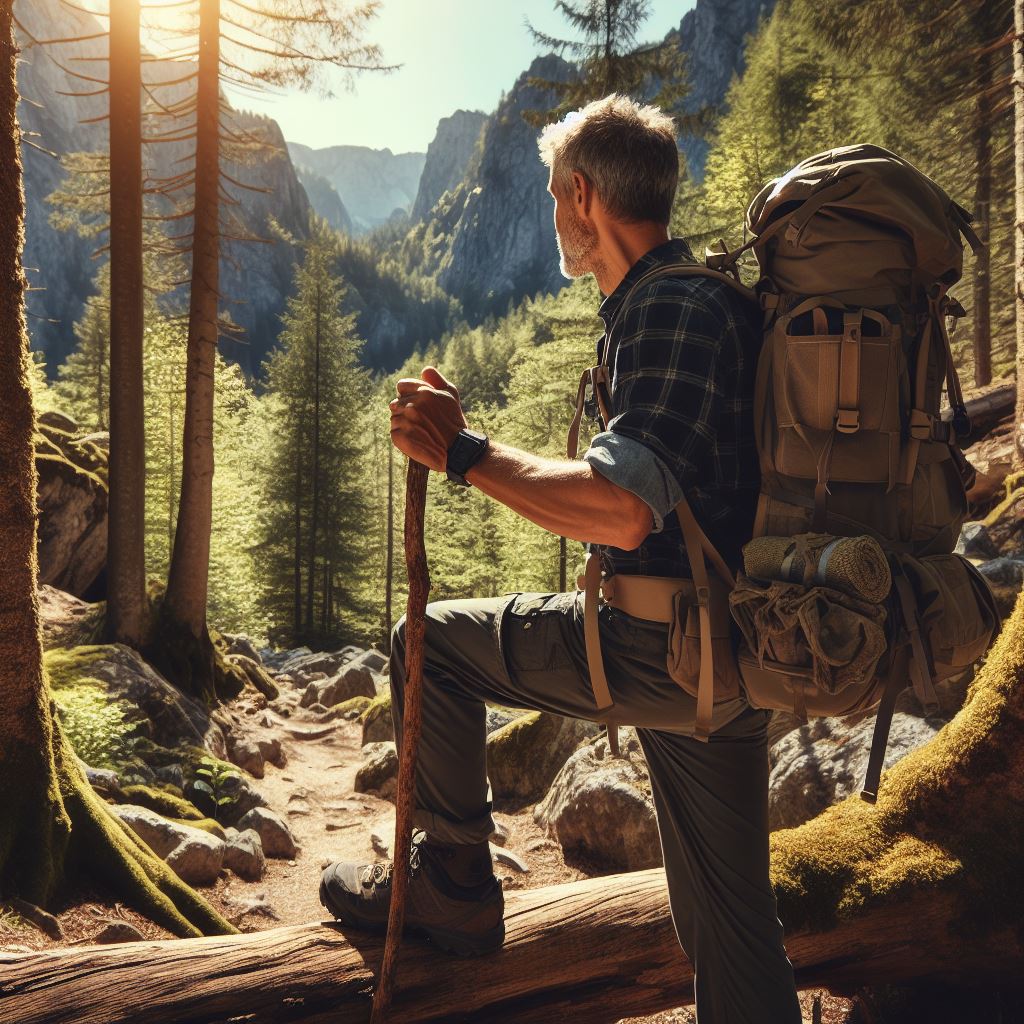
Now we’re talking. Day hikes are where the magic happens, and honestly, they’ve become one of my favorite things to do. A day hike is basically any hike you can start and finish in the same day, and the range is huge. You can do a gentle 45-minute nature loop through a local park or a more ambitious 3-4 hour trail through state forest land. The key is you sleep in your own bed that night, and nobody has to pack a tent.
Day hikes offer benefits that flat neighborhood walks simply can’t match. Uneven terrain gently challenges your balance and core strength. Uphill sections give your cardiovascular system a real workout. And being surrounded by nature, actual trees, birds, the occasional deer who looks at you like you’re the weird one, does wonders for mental health. Research backs this up: time in natural environments reduces cortisol levels and has been linked to lower blood pressure and improved mood. Science, baby.
What to bring on a day hike:
- Water: more than you think you need. Dehydration sneaks up on people, especially in heat.
- Snacks with protein: trail mix, a granola bar, something with substance.
- A walking stick or trekking poles: these are not optional for uneven trails, in my opinion. They take pressure off your knees on downhills and help with balance on tricky terrain. They are also great if you Geocache along the way!!!
- Your phone (fully charged): for photos, navigation, and emergencies. Also, Some phone have the ability to “pin” your parking spot which has come in handy a few times over the years for me.
- Bug spray: because nothing ruins a peaceful hike like becoming a mosquito buffet. I am a bug magnet. This is non-negotiable for me. If my wife and I are standing side by side, I will get eaten alive and maybe she will get one bite!!!
- Basic first aid: a few bandages, some antiseptic wipes, and if you’re allergy-prone, your epi-pen. Always.

The best spots for day hikes are state parks, county preserves, and national forest trails. Many of these have well-marked trail systems with difficulty ratings, so you can find something that matches your fitness level. My wife and I personally love doing one trail, heading back to the car for water and a rest, then tackling a second trail. Air conditioning from the car counts as a legitimate recovery tool.
One more thing: don’t hike alone. Not to be dramatic, but trails can be unpredictable, a twisted ankle or any medical emergency on a remote section of trail with no cell signal is nobody’s idea of a good time. Bring a friend. It’s also just more fun.
Nature Trails and Park Paths: The Sweet Spot
Somewhere between a neighborhood stroll and a full-on day hike are the nature trails and park paths found in local and regional parks. These are often paved or packed gravel, shorter in length, and maintained well enough that you don’t need to worry much about rough terrain. They’re ideal for seniors who want more scenery than a sidewalk provides but aren’t quite ready to summit anything.
Local parks often have a mix of trail options, and the wildlife alone can make the walk feel like an adventure. Bird watching while walking? That’s basically two hobbies in one, and I highly recommend it. If you’re not sure where to find trails near you, apps like AllTrails have free versions that show trails by difficulty level, distance, and user reviews. It’s like Yelp, but for the woods.
Overnight Hikes: The Full Adventure (A Brief Mention)
I’ll be honest: multi-day overnight hikes are beyond the scope of what this site is about, and at my age, they’re also beyond the scope of what I personally want to do. The planning alone, logistics, gear, resupply points, bear spray, figuring out how to charge your phone in the wilderness, sounds more stressful than fun to me. Also, I watch enough crime TV to know that leaving my car at a remote trailhead for three days is not something I’m emotionally prepared for. Did you ever watch Criminal Minds?…lol
That said, if you’re fit, adventurous, and have a trusted hiking partner (and a designated shuttle driver who won’t forget to pick you up), overnight hiking is a genuinely incredible experience. Just do serious research, take a wilderness first aid course, and for the love of all things good, tell someone where you’re going and when you plan to be back.
Mix It Up: Why Variety Matters
Here’s the thing, no matter which walking style is your go-to, changing it up regularly is actually good for your body AND your brain. Walking different surfaces, terrains, and distances challenges different muscles, keeps your balance system sharp, and prevents the kind of boredom that has a way of turning your walking habit into a Netflix habit.
For active seniors specifically, balance and fall prevention are crucial, and varied terrain walking is one of the best ways to train those systems. Think of a nature trail as a free balance class that also comes with birds and trees.
Final Thoughts
Walking is one of the most accessible, adaptable, and underrated forms of exercise available, especially for those of us who’ve earned a little wisdom (and a few creaky joints) along the way. Whether you’re doing a quiet neighborhood loop, exploring a local park trail, or attempting a full day hike with trekking poles and a trail mix habit, you’re doing something genuinely great for your health. The best walk is the one you actually do, so find the style that feels like fun rather than a chore, and go do it.
As always, check with your doctor before starting any new exercise routine, especially if you’re increasing intensity or tackling more challenging terrain. And please, drink your water.
Now get out there and walk!
Disclaimer: This article is for informational purposes only and is not a substitute for professional medical advice. Always consult your healthcare provider before beginning a new exercise program.
Enjoyed this article? Use the buttons above to discover more ways to stay active, healthy, and enjoy life after 60. If you found it helpful, share it with someone who could use a little inspiration too. Want more tips, ideas, and the occasional bad joke? Subscribe below and I’ll send you one friendly update the last Friday of the month. No spam, just helpful content and a little encouragement for the road ahead.